Are Cheap Solar Panels & Inverters Worth the Risk in South Africa?

With loadshedding pushing more households and businesses toward solar, the market is flooded with “special deals” on panels and inverters. But while the promise of cheap solar can be tempting, the reality is that poor-quality products often lead to underperformance, early failure, and costly replacements. This guide explains what brands to avoid, which are considered top-tier and reliable, and how to spot red flags when shopping for panels and inverters. Why Cheap Solar Can Cost You More Many low-cost solar panels and inverters are imported with no clear warranty, no local distributor, and no track record. The result? You might save upfront, but within 2–3 years the system could fail—leaving you with expensive replacements and no support. Quick fact: A good panel should last 25+ years with at least an 80–85% efficiency guarantee by year 25.Cheap panels rarely carry these assurances. Choose Your Brand carefully South Africa has seen a rise in generic “no-name” solar brands, often sold at suspiciously low prices through online marketplaces or short-term importers. ⚠️ Be cautious of: Top-Tier Brands When it comes to panels, bankability and Tier 1 status are key. These companies are financially stable, with proven track records in manufacturing. Trusted Solar Panel Brands: Reliable Inverter Brands: Aspect Cheap Panels Top-Tier Panels Warranty Little to no warranty (> 5 years) 10–15 years product warranty + 25-year performance warranty Efficiency Lower efficiency (15–17%), drops quickly over time Higher efficiency (19–24%), gradual decline over decades Lifespan 5–10 years, often fails early 25+ years, designed for long-term stability After-Sales Support No local distributor, difficult or impossible to claim warranty Strong South African distribution network, dedicated warranty claim process Certifications Often missing IEC/TUV/UL certifications Internationally certified (IEC, TUV, UL) Traceability No serial numbers, generic labels Unique serial numbers and trackable datasheets Price Very cheap upfront but costly long-term Higher upfront cost but excellent long-term savings Risk High risk of underperformance, fire hazards, or being scammed Proven safety, reliability, and backed by global reputation Examples “Generic 550W Panel,” fake SolarWorld China, no-name imports JA Solar, LONGi, Jinko, Canadian Solar, Trina How to Choose the Right Panels Here’s a checklist when evaluating panels: Red Flags During a Panel Shopping Experience 🔍 Watch out for: Questions to Ask Before Buying Solar Panels When comparing options, ask your supplier: Final Word Solar is a long-term investment. While “cheap” panels or inverters might save you upfront, they often lead to higher costs, stress, and downtime later. By sticking to Tier 1 brands like JA Solar, LONGi, Canadian Solar, and Jinko, and choosing reliable inverters like Deye or Sunsynk, you secure your energy independence with confidence. Thinking about solar? Speak to a Greencoin Solar consultant today.We only supply Tier 1 Solar brands with full South African warranty & support.

Are Cheap Solar Panels & Inverters Worth the Risk in South Africa? Read More »

Rent or Buy solar

Rent-to-Own vs Rent-to-Buy vs Leasing: What’s the Difference When Going Solar?

At Greencoin Solar, we’re passionate about helping South African families gain energy independence—without the upfront cost barrier. But we know that all the terms like rent-to-own, rent-to-buy, and leasing can get confusing. So, let’s break it down simply: What Is Rent-to-Own Solar? Rent-to-own is a flexible finance option that allows you to install a complete solar system today and pay it off monthly over a fixed term (like 84 months). Once the term ends and your last payment is made, the system is fully yours to own—no extra balloon payment, no surprises. ✅ You get the benefits of ownership without the upfront cost. How Is This Different from Rent-to-Buy? While the terms sound similar, rent-to-buy agreements often include a final lump-sum “balloon” payment at the end if you want to own the system. You’re renting it for a period and only buying it out at the end—which can come as a shock if you weren’t expecting the final payout. ⚠️ You might be paying monthly and still need a large amount at the end to own the system. What About Leasing a Solar System? With solar leasing, you never actually own the system. You simply pay monthly to use it, often over 20+ years. While this can be affordable in the short term, you miss out on ownership benefits like system resale value, long-term savings, or full control over upgrades and maintenance. ⚠️ When the lease ends, you either renew, return it, or lose access to your solar energy. 🌞 Why Rent-to-Own Makes the Most Sense Here’s why our Greencoin Solar Rent-to-Own model stands out: You’re investing in your future without tying up your savings. Plus, the savings on your electricity bill often help cover the monthly cost. Rent-to-Own Rent-to-Buy Leasing Upfront Payment None or low Low Low Ownership at End Yes – you fully own the system After balloon payment No – system must be returned or re-leased Balloon Payment at End No Yes – often required No, but you never own it Fixed Monthly Payments Yes – no escalations Sometimes – terms vary Often escalates over time Customisable System Yes – tailored to your needs Limited Standard packages only Installation Included Yes Sometimes Sometimes Warranty & Compliance (COC) Included Varies Varies Early Buy-Out Option Yes – with flexible terms Yes, but usually costly Unavailable Best For Long-term savings & ownership Short-term access, later ownership Temporary use without ownership

Rent-to-Own vs Rent-to-Buy vs Leasing: What’s the Difference When Going Solar? Read More »

Charging a Electric Motorcycle with Solar

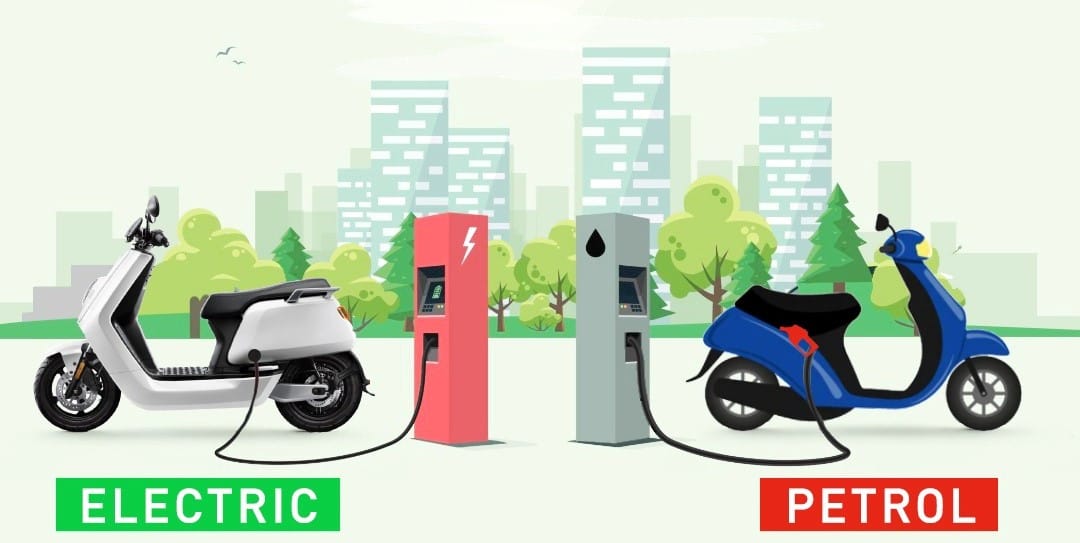
Charge Your Motorcycle with Solar: A Step Towards True Energy Independence

As the world moves towards greener energy solutions, many South Africans are choosing electric motorcycles as their mode of transport. Whether you’ve already made the switch or are considering it, there’s one factor that makes this option even more appealing: charging your electric motorcycle at home using your solar system. This not only eliminates fuel costs but also further leverages your investment in solar energy, allowing you to maximise savings and reduce your carbon footprint. Here’s why switching to solar for charging your electric motorcycle is the perfect match for those looking to embrace clean, affordable, and sustainable energy. 1. Say Goodbye to Fuel Costs One of the most immediate and obvious benefits of owning an electric motorcycle is the savings you’ll experience by no longer needing petrol. Charging an electric bike is significantly cheaper than filling up with fuel. But why stop at cheap? If you already have a solar system installed, you can charge your bike essentially for free, using the power of the sun. No more worrying about fuel price hikes—just smooth, emission-free rides powered by clean energy. 2. Maximize Your Solar Investment Most homeowners with solar systems are already enjoying the perks of lower electricity bills, powering their homes with renewable energy. By using the same solar system to charge your electric motorcycle, you’re getting more out of your initial investment. Think about it: your solar setup can now power your home and your transport, giving you more bang for your buck and a greater sense of energy independence. It’s one more way to take full advantage of the solar energy you’re generating each day. 3. Dual-Use Solar System: Home & Electric Vehicle Charging A typical residential solar system is designed to power essential household appliances like lights, fridges, and electronics. However, with a dual-use solar system, you can go one step further and charge your electric motorcycle without overloading the system. For this, you need to ensure your solar setup is adequate to handle both functions. Minimum Solar System Requirements To effectively power your home and charge an electric motorcycle, you’ll need a system with at least 5kW of solar panel capacity, coupled with a reliable battery storage solution. This will allow you to store excess energy during the day, ensuring you can charge your motorcycle at night or during low-sunlight conditions. For electric motorcycles that have higher battery capacities, you may want to consider increasing the solar capacity or upgrading the battery storage to meet your needs. 4. Energy Independence Charging your motorcycle with a solar-powered system gives you complete freedom from the traditional energy grid and fuel supply. In a world where energy prices are unpredictable and petrol stations are prone to price hikes, being able to rely on your own energy source for both home use and transport brings unparalleled peace of mind. You’re in control of your energy use, costs, and environmental impact. 5. Environmental Benefits Every time you charge your motorcycle with solar power, you’re reducing your carbon emissions, contributing to a cleaner environment. Unlike petrol engines, electric motorcycles don’t produce harmful emissions, and when powered by solar, they offer a truly sustainable transport option. By charging your electric bike with solar energy, you’re actively helping to combat climate change and reduce dependence on fossil fuels. 6. Simple and Convenient The convenience of charging your motorcycle at home is unmatched. Forget the hassle of visiting petrol stations or worrying about fluctuating fuel prices. You simply plug your motorcycle in and let your solar system do the rest. In most cases, a standard overnight charge will be enough to power up your electric motorcycle for the day ahead, especially if you’re using it for city commuting or moderate distances. Ready to Make the Switch? If you’re considering an electric motorcycle, or you already own one and want to optimise how you charge it, Greencoin Solar can help you design and install the perfect solar system to meet your dual-use needs. With our customisable solar systems and Rent-to-Own packages, you can easily get started with solar energy and begin enjoying the freedom and savings of clean, renewable power. Contact Greencoin Solar today to discuss how we can help you maximise your solar investment and get the most out of your electric motorcycle, all while saving on electricity and fuel bills. Want to Know More?Reach out to us for a custom consultation, and let’s help you harness the full potential of solar power for your home and electric vehicle.

Charge Your Motorcycle with Solar: A Step Towards True Energy Independence Read More »

Different Inverter Battery Types

Unlocking Inverter Batteries: A Comprehensive Guide to Types and Usage

Inverter batteries play a crucial role in ensuring uninterrupted power supply during grid outages or in off-grid solar systems. These batteries serve as energy storage solutions, storing excess electricity generated from renewable sources like solar panels and releasing it when needed. However, the South African market offers various types of inverter batteries, each designed to suit specific applications and address the unique energy needs of consumers. In this blog post, we will introduce and explain the various types of inverter batteries available in South Africa and their optimal usage scenarios, empowering you to make informed decisions for your energy storage requirements. Lead-Acid Batteries: Cost-Effective Workhorses Lead-acid batteries are widely used in South Africa due to their cost-effectiveness and proven reliability. Within this category, there are two common types: Usage: Lead-acid batteries are commonly used in homes, offices, and small commercial establishments as backup power sources during grid outages. Lithium-Ion Batteries: Efficiency and Longevity Unleashed Lithium-ion (Li-ion) batteries are gaining popularity in the South African market due to their superior energy density and efficiency compared to lead-acid batteries. They offer longer lifespans and require less maintenance. Usage: Lithium-ion batteries are ideal for solar PV systems, where high performance, efficiency, and long-lasting energy storage are essential. They are also becoming more common in residential and commercial backup power solutions. Nickel-Cadmium (Ni-Cd) Batteries: Resilient and Durable Nickel-Cadmium batteries are known for their resilience and long cycle life, capable of enduring deep discharge cycles without significant degradation. They are reliable even in harsh conditions. Usage: In South Africa, Ni-Cd batteries find applications in industries where high reliability and long-lasting performance are critical, such as telecommunications, rail transport, and backup power systems for critical infrastructure. Nickel-Metal Hydride (Ni-MH) Batteries: Environmentally Friendly Option Nickel-Metal Hydride batteries are an environmentally friendly alternative to traditional Ni-Cd batteries. They offer good energy density and a longer life cycle. Usage: Ni-MH batteries are commonly used in portable electronics and cordless devices. While their applications in inverter systems are relatively limited in South Africa, they may still be considered for specific scenarios. Flow Batteries: Scalability and Flexibility Flow batteries are a relatively newer technology that stores energy in external tanks. This unique design allows for easy scalability and flexibility. Usage: Flow batteries are suitable for large-scale applications, including grid-level energy storage and industrial installations. While still emerging in the South African market, they offer promising potential for future energy storage solutions Inverter batteries are the backbone of backup power systems, providing the necessary energy storage to ensure uninterrupted power supply during grid outages or in off-grid setups. Understanding the various types of inverter batteries and their optimal usage scenarios is vital in making the right choice for your specific energy storage needs. Whether you seek reliability and cost-effectiveness with lead-acid batteries or opt for high performance and efficiency with lithium-ion batteries, each type has its unique advantages to offer. By choosing the right inverter battery system, you can enhance the reliability and effectiveness of your energy storage setup, paving the way for a more sustainable and uninterrupted power supply in your daily life or business operations.

Unlocking Inverter Batteries: A Comprehensive Guide to Types and Usage Read More »

Benefits of Solar Power in South Africa

The Benefits of Solar Power for Your Home & Business in South Africa

South Africa, with its abundant sunshine and growing emphasis on sustainability, is primed to embrace the power of the sun. As solar technology continues to advance, an increasing number of homeowners and businesses in the country are turning to solar power to meet their energy needs. In this blog post, we will explore the numerous benefits of solar power for both homes and businesses in South Africa, shedding light on how this renewable energy source can revolutionize the way we power our lives. Benefits for Homes: Benefits for Businesses: Embracing solar power for your home and business in South Africa offers a plethora of benefits, from cost savings and energy independence to environmental conservation and brand reputation enhancement. Solar power has a multitude of benefits for both homes and businesses in South Africa from cost savings to enhanced economic efficiency. By harnessing the power of the sun, you become a part of the solution to the global energy and climate crisis, while also enjoying long-term financial advantages. As solar technology continues to advance and governmental support for renewable energy grows, now is the perfect time to transition to solar power and play your part in shaping a greener and more sustainable future for South Africa. South Africans we can lead the charge towards a greener and more prosperous future, where clean and renewable energy powers our lives in harmony with nature.

The Benefits of Solar Power for Your Home & Business in South Africa Read More »

Leading Solar Panel Brands

Shining a Light on Leading Solar Panel Brands

As the world increasingly embraces renewable energy, solar power has emerged as a leading contender in the quest for sustainable electricity generation. Among the numerous solar panel manufacturers, certain brands have risen to prominence for their cutting-edge technology, high efficiency, and proven reliability. In this blog post, we will introduce and explore the benefits of four renowned solar panel brands: JA Solar, Canadian Solar, Jinko, and Longi, shedding light on why they stand out in the solar industry. JA Solar is a well-established solar panel manufacturer renowned for its commitment to research, innovation, and technological advancement. With a global presence and a history dating back to 2005, JA Solar has earned its reputation as one of the world’s top solar companies. Some key benefits of JA Solar panels include: Canadian Solar is a leading solar panel manufacturer known for its strong commitment to sustainability and environmental responsibility. Founded in 2001, the company has grown into a global player in the solar industry. The benefits of Canadian Solar panels include: Jinko Solar has rapidly emerged as one of the largest solar panel manufacturers globally since its establishment in 2006. The company’s commitment to research and development has resulted in innovative and high-performing solar products. The benefits of Jinko Solar panels include: Longi Solar is a global leader in monocrystalline solar technology, focusing on delivering highly efficient and cost-effective solar panels. Founded in 2000, the company has become one of the largest monocrystalline silicon producers in the world. The benefits of Longi Solar panels include: In conclusion, the solar panel brands JA Solar, Canadian Solar, Jinko, and Longi have earned their reputation as leaders in the solar industry due to their commitment to innovation, quality, and sustainability. Whether you are considering solar panels for your home, business, or large-scale project, these manufacturers offer a diverse range of high-performance solutions to meet your energy needs. By choosing panels from these esteemed brands, you can embark on a greener and more sustainable energy journey, contributing to a brighter future for our planet.

Shining a Light on Leading Solar Panel Brands Read More »

Sizing an Inverter

Sizing an Inverter: the Power of Efficient Energy Conversion

Inverters are the unsung heroes of renewable energy systems, converting direct current (DC) generated by solar panels or batteries into alternating current (AC) that powers our homes and businesses. Properly sizing an inverter is a critical step in designing an efficient and reliable energy system. In this blog post, we will explore the importance of inverter sizing, the key factors to consider, and a step-by-step guide to help you select the right inverter for your specific energy needs. Why Inverter Sizing Matters Selecting the appropriate inverter size is crucial for optimizing the performance and longevity of your renewable energy system. An undersized inverter may limit the energy output of your solar panels or lead to system inefficiencies. Conversely, an oversized inverter can be wasteful and costly, as it may operate at lower efficiencies under partial loads and may not make the most of your solar energy investment. Factors to Consider for Inverter Sizing Determine the maximum power (in watts or kilowatts) required by all the AC loads you intend to power simultaneously. This includes appliances, electronics, and any other devices that will be connected to the inverter. This information is crucial in selecting an inverter with an appropriate power rating. If the inverter is connected to a solar photovoltaic (PV) system, consider the total capacity (in watts or kilowatts) of the solar array. The inverter’s power rating should be equal to or slightly larger than the solar array capacity to ensure it can handle the maximum power output from the panels. For hybrid or off-grid systems with battery storage, assess the capacity of the battery bank in kilowatt-hours (kWh). The inverter’s power rating should be large enough to handle the charging and discharging currents of the battery bank without overloading the system. Certain appliances and equipment, such as motors and compressors, require extra power during startup. Account for surge power requirements when sizing the inverter to avoid overloading during these brief spikes in energy demand. Step-by-Step Guide to Sizing an Inverter As such, sizing an inverter correctly is a crucial step in designing an efficient and reliable renewable energy system. By considering factors like the maximum AC load, solar array capacity, battery capacity (if applicable), and surge power requirements, you can select the right inverter to match your energy needs. With a properly sized inverter, you can unlock the full potential of your solar panels or batteries, paving the way for a cleaner, greener, and more sustainable energy future.

Sizing an Inverter: the Power of Efficient Energy Conversion Read More »

OFF-GRID INVERTER VS. HYBRID INVERTER

Off-Grid Inverter vs. Hybrid Inverter: Decoding the Power Play in Renewable Energy Systems

As the world embraces renewable energy sources, off-grid vs. hybrid inverters have become vital in energy systems, allowing users to harness sustainable power efficiently. Both inverters play unique roles in enabling renewable energy adoption, but understanding their differences is crucial in making the right choice for your specific energy needs. In this blog post, we will delve into the key characteristics and applications of off-grid and hybrid inverters, helping you navigate the renewable energy landscape with confidence. Off-Grid Inverter: Liberating Energy Independence Hybrid Inverter: Blending the Best of Both Worlds An off-grid inverter, as the name suggests, is designed for standalone solar systems that operate independently from the traditional electrical grid. It is a critical component of off-grid solar setups, commonly found in remote areas, cabins, and eco-lodges where connecting to the grid is either impractical or cost-prohibitive. Hybrid inverters, as the name implies, combine the functionalities of both off-grid and grid-tied inverters. They cater to solar installations seeking a more flexible and versatile energy management system, capable of switching between grid-connected and off-grid operation as required. Key Features and Functions: • Energy Storage: Off-grid inverters work in tandem with batteries to store excess energy generated during sunny periods for use when sunlight is unavailable. This feature ensures a steady power supply even during cloudy days or at night.• Autonomous Operation: Since off-grid systems are not connected to the grid, the off-grid inverter must manage power distribution, battery charging, and system synchronization autonomously.• Load Management: Off-grid inverters prioritize loads and manage power distribution to ensure the most critical appliances receive power when the energy supply is limited.• Limited Capacity: Off-grid inverters typically have a limited capacity and may not handle high loads or power-intensive appliances found in conventional grid-tied systems. • Grid Connectivity: Hybrid inverters allow solar systems to be connected to the electrical grid, enabling the user to draw power from both renewable sources (solar panels) and the grid.• Energy Storage: Like off-grid inverters, hybrid inverters can manage battery storage, allowing excess solar energy to be stored for later use or to be sold back to the grid during peak times.• Backup Power: In the event of a grid outage, hybrid inverters can automatically switch to off-grid mode, ensuring continuous power supply from solar panels and battery storage.• Power Export and Import: Hybrid inverters enable a two-way flow of energy, allowing users to export excess energy to the grid when solar production exceeds demand and import power from the grid when solar production is insufficient. Applications: Off-grid inverters are ideal for locations far from the grid or for those seeking complete energy independence. They are widely used in remote homes, cabins, RVs, and in off-grid power systems for humanitarian and disaster relief efforts. Hybrid inverters are an excellent choice for users who want to benefit from both renewable energy generation and grid connectivity. They are commonly used in residential and commercial installations, allowing consumers to reduce electricity bills through net metering and ensure uninterrupted power supply during grid outages. In conclusion, both off-grid and hybrid inverters play pivotal roles in the realm of renewable energy. Off-grid inverters cater to those seeking complete energy independence and autonomy in remote locations, while hybrid inverters offer a more versatile and flexible approach, combining solar energy generation with grid connectivity. The choice between these inverters depends on your energy needs, location, and the level of control and versatility you desire. By understanding their unique features and applications, you can make an informed decision that aligns with your vision of a cleaner and more sustainable energy future.

Off-Grid Inverter vs. Hybrid Inverter: Decoding the Power Play in Renewable Energy Systems Read More »

OPTIMIZING SOLAR PANEL SIZING

Optimizing Solar Panel Sizing: Powering the Rainbow Nation with Sunshine

South Africa is a land of abundant sunshine, making it an ideal location for harnessing the power of solar energy. As the country seeks sustainable and renewable energy solutions, solar panels have emerged as a popular choice for homes, businesses, and communities. However, determining the right solar panel sizing is a critical aspect that can significantly impact the effectiveness and efficiency of a solar installation. In this blog post, we will explore the factors that influence solar panel sizing in South Africa, helping residents make informed decisions and maximize the benefits of solar energy. South Africa is blessed with one of the highest solar irradiance levels globally, especially in the northern and western regions. Solar irradiance refers to the amount of solar energy received per square meter, and South Africa’s high solar irradiance levels mean more energy can be harnessed from each solar panel. Regions like the Northern Cape and North West provinces are particularly attractive for solar installations due to their intense sunlight. Before deciding on the size of your solar panel system, it’s essential to assess your energy consumption. Review your historical electricity bills to understand your average monthly energy usage. This data will help you determine the capacity needed to meet your electricity demands and decide the number of solar panels required for your specific needs. The available roof space plays a crucial role in solar panel sizing. While South Africa’s high solar irradiance allows for efficient energy generation, the number of panels you can install depends on the surface area available on your roof. Factors like roof orientation, shading, and tilt can impact the efficiency of your solar panels. South-facing roofs generally receive the most sunlight and are preferred for solar installations. The orientation and tilt of solar panels can significantly impact their performance. In South Africa, the optimal orientation for solar panels is typically facing north to capture the maximum sunlight throughout the day. However, if a north-facing roof is not available, panels can be installed on east or west-facing roofs, albeit with slightly reduced efficiency. The tilt angle should also be considered, with a general rule of thumb being to match the latitude of your location for maximum solar exposure. South Africa experiences seasonal variations in solar energy production, with longer and sunnier days during the summer months and shorter days during winter. When sizing your solar panel system, consider these fluctuations in energy production and ensure that your installation meets your energy needs throughout the year. Solar panel sizing also depends on your budget and financial objectives. Larger systems may produce more energy, but they require a higher upfront investment. Balancing your budget with your energy requirements is crucial in choosing the right solar panel size that aligns with your financial goals. An inverter size should be 25-30% bigger than the sum of the total Watts of the appliances you would like to run during a power outage. When it comes to the type or amount of solar panels, generally, the main rule is that the inverter’s size needs to be the same as the DC rating indicated on the solar panels In conclusion, optimizing solar panel sizing in South Africa is a combination of understanding the abundant solar potential, evaluating energy consumption, considering available roof space, and accounting for seasonal variations. By harnessing the power of the sun, we can pave the way for a cleaner and more sustainable energy future, reducing carbon emissions and mitigating the impacts of climate change. Whether you’re a homeowner or a business owner, making informed decisions about solar panel sizing will not only help you save on energy costs but also contribute to the greater goal of creating a greener and brighter future.

Optimizing Solar Panel Sizing: Powering the Rainbow Nation with Sunshine Read More »

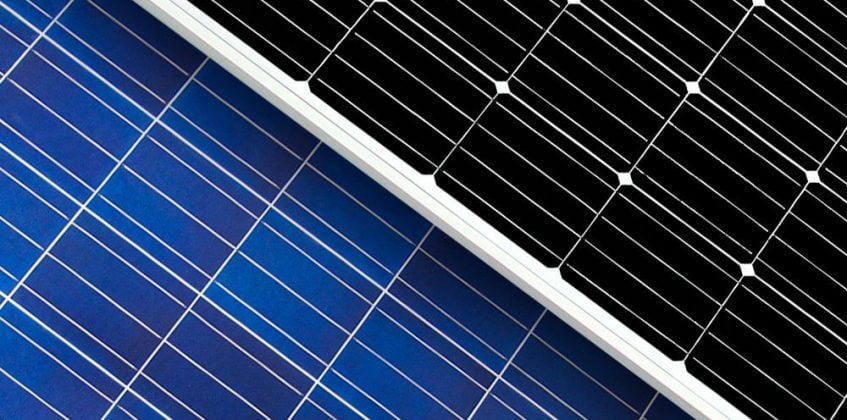
Monocrystalline vs. Polycrystalline Solar Panels: Unraveling the Sun’s Energy Harvesters

As solar energy continues to revolutionize how we power our world sustainably, choosing the right solar panels for your specific needs becomes increasingly critical. Two prominent contenders stand out among the myriad options available: monocrystalline and polycrystalline solar panels. In this blog post, we will delve into the key differences between these two technologies, helping you make an informed decision when considering solar solutions for your home or business. Understanding Monocrystalline Solar Panels Monocrystalline solar panels are crafted from a single, pure crystal structure, usually made of high-grade silicon. Their defining feature is the uniform black colour, with each cell appearing as a single, continuous piece. The manufacturing process involves slicing thin wafers from a single crystal, thereby ensuring the highest level of efficiency and purity in the resulting solar cells. Advantages of Monocrystalline Solar Panels: Understanding Polycrystalline Solar Panels Polycrystalline solar panels, on the other hand, are composed of multiple silicon crystals. The manufacturing process involves melting raw silicon, which is then poured into a mould to create square-shaped wafers. As a result, polycrystalline panels display a blueish hue and a fragmented appearance, with multiple crystal structures visible on the surface. Advantages of Polycrystalline Solar Panels: Choosing the Right Solar Panels for You Ultimately, the choice between monocrystalline and polycrystalline solar panels depends on your specific requirements and preferences. If you have limited space and prioritize higher efficiency and aesthetics, monocrystalline panels may be the best fit. On the other hand, if you’re on a budget, environmentally conscious, or require panels suitable for diverse weather conditions, polycrystalline panels can be a strong contender. Keep in mind that advancements in solar technology are continually being made, and newer panel designs may offer a combination of the benefits of both monocrystalline and polycrystalline panels. As the world increasingly embraces solar energy as a sustainable solution to power our lives, understanding the differences between monocrystalline and polycrystalline solar panels is vital in making an informed decision. Both technologies have their unique advantages, catering to different needs and preferences. Whether you prioritize efficiency, cost-effectiveness, or environmental impact, the future of solar energy looks bright with these two contenders driving the renewable energy revolution.

Monocrystalline vs. Polycrystalline Solar Panels: Unraveling the Sun’s Energy Harvesters Read More »

Shopping Cart
[]